Central Heating Pump Not Working? Signs, Causes and What to Do
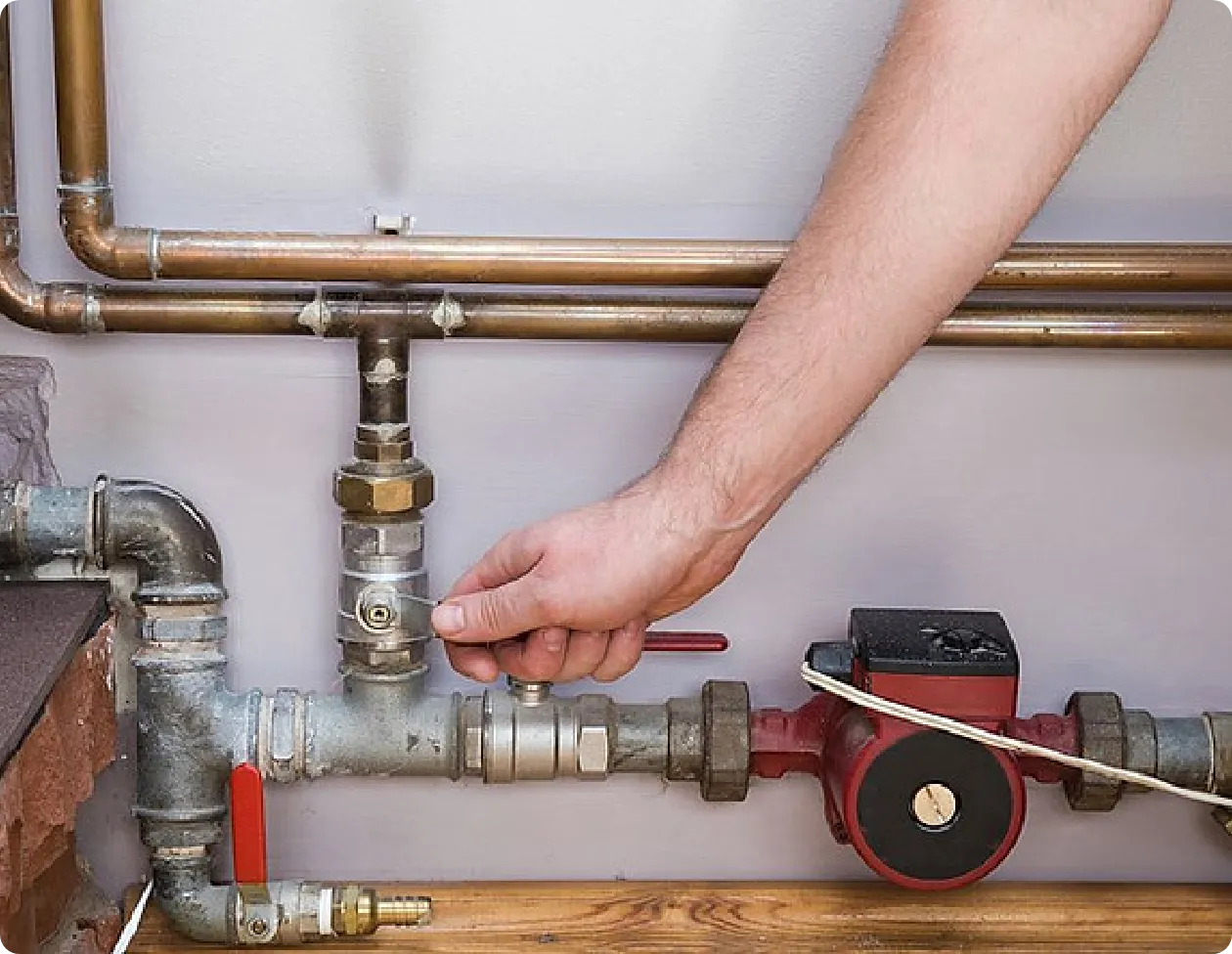
When a central heating pump stops working, the boiler usually fires while the radiators stay cold, then overheats and locks out. A seized, worn or unpowered pump is the usual cause, but low pressure, a stuck valve or sludge can look the same.
If your central heating pump is not working, the usual sign is a boiler that fires up normally while the radiators stay cold, or only the pipes right next to the boiler get hot. When the pump seizes, loses power or wears out, the heat has nowhere to go. The boiler often overheats and locks out soon after. Some pump faults can be freed or repaired; others mean a new pump. This guide covers the signs, what else looks like a pump fault, and what to do next.
What Does a Central Heating Pump Actually Do?
The pump circulates water from the boiler through the pipework and radiators and back again. Without it, the water in a modern sealed system barely moves, however hard the boiler works.
Where it sits depends on the system. On a combi boiler the pump is built into the boiler casing and serves both the heating and the hot water. On a system boiler it is also usually inside the boiler. On an older regular (heat-only) boiler with a hot water cylinder, it is normally a separate unit on the pipework, often in the airing cupboard next to the cylinder or near the boiler, with a speed dial on the front. Knowing which you have helps, because the symptoms and the repair are different.
Signs Your Central Heating Pump Has Failed
The clearest sign is heat that stays at the boiler. The burner lights, the flow pipe under the boiler gets very hot, and the radiators stay cold or barely warm.
Other signs that point towards the pump:
- Radiators nearest the boiler warm slightly, the rest stay cold. A weak pump can push water a short distance but not round the whole house.
- The boiler fires, runs for a minute or two and shuts down. With no flow, the water inside heats up too fast and the boiler cuts out on its own temperature limit, then tries again.
- An overheat or flow fault code. The code varies by brand; our guide to the signs of an overheating boiler lists the common ones.
- Banging or kettling as the boiler heats up. Water that is not moving boils locally on the heat exchanger.
- A separate pump that is silent and not vibrating when the heating is calling, or one that feels very hot to the touch.
- New grinding, rattling or loud humming from the pump. Noise on its own is covered in our guide to why a boiler hums or buzzes; here it matters when it comes with poor heat.
On a combi, a failed pump usually takes out both heating and hot water, because the same pump moves water through the heat exchanger for both. On some older regular systems, the hot water to the cylinder moves by gravity and only the heating relies on the pump, so you can have hot taps but cold radiators.
Why Central Heating Pumps Fail
Most pump failures are one of three things: a seized rotor, an electrical fault, or plain wear. Which one it is decides whether the pump can be saved.
- Seized after a long rest. Pumps that sit idle all summer can stick, especially in a system with sludge or scale. The fault often appears on the first cold day of autumn when the heating goes back on. Many modern boilers run the pump briefly each day to prevent this, but older standalone pumps have no such protection.
- Sludge and debris. Black magnetite sludge from corroding radiators collects in the pump and wears or jams it. A pump that fails because of sludge will usually fail again if it is replaced without dealing with the dirty water.
- Electrical faults. A failed capacitor, a loose connection, a blown fuse or a fault on the boiler's control board can stop the pump receiving power even though the motor is fine.
- Worn bearings or motor. Pumps are mechanical parts and wear out, often announcing it with rising noise before they stop.
Faults That Look Like a Pump Problem but Are Not
Several other faults give the same cold-radiator picture, so a pump should be tested before it is replaced. Swapping a working pump is one of the more common wasted repairs.
- Low system pressure. If the gauge reads below about 1 bar, there may not be enough water for the pump to circulate properly. Check the gauge first and top it up following our guide to repressurising a boiler safely.
- A stuck zone valve or diverter valve. If the valve that sends hot water to the heating circuit does not open, the pump runs but the water goes nowhere useful.
- Controls not calling for heat. A programmer, room thermostat or wireless receiver that is not sending a signal means the pump is never asked to run.
- Blocked pipes or radiators. Heavy sludge can restrict flow even with a healthy pump, usually starting with cold patches at the bottom of radiators.
A useful clue: if the boiler shows an overheat code and the flow pipe is scalding while the return pipe stays cool, circulation has stopped. The engineer's job is then to work out whether the pump, a valve or a blockage is the reason.
Is It Normal for the Pump to Run After the Heating Turns Off?
A short run-on is normal. Many boilers keep the pump going for a few minutes after the burner stops to carry leftover heat out of the heat exchanger, which is called pump overrun.
What is not normal is a pump that runs all the time, including when nothing is calling for heat. That usually points to a zone valve stuck open, a sticking switch inside a valve, a control or wiring fault, or occasionally frost protection being triggered by a cold boiler location. It wastes electricity and can keep radiators lukewarm overnight, so it is worth having traced even though it is not urgent.
What to Do if You Think the Pump Has Failed
Do the safe checks first, then stop resetting the boiler and book a repair. Repeated resets on a boiler with no circulation put strain on the heat exchanger.
- Check the boiler pressure gauge and top up if it is low.
- Make sure the programmer and thermostat are calling for heat, and turn the thermostat up a few degrees.
- Note any fault code on the display and whether hot water still works.
- If you have a separate pump, note whether it is silent, noisy or unusually hot. Do not open it or try to free it yourself.
- If the boiler keeps locking out, switch it off and leave it off until it has been looked at.
A pump inside a gas boiler can only be reached by removing the casing, and the casing is part of the sealed combustion chamber, so that work must be done by a Gas Safe registered engineer. A standalone pump on the pipework is not part of the gas appliance, but replacing it still means isolating or draining the system and rewiring it to the boiler controls, so it is a job for a qualified heating engineer.
Can a Central Heating Pump Be Repaired, or Does It Need Replacing?
It depends on what has gone wrong. A pump that has seized after the summer can sometimes be freed, and an electrical fault in the wiring or supply can be fixed without a new pump. A worn motor or bearings, or a pump that has failed internally, needs replacing.
On standalone pumps, the motor head can sometimes be changed without replacing the valves either side. On combi and system boilers, the replacement part is specific to the boiler model, so the age of the boiler and whether parts are still available both matter. If sludge caused the failure, the engineer should recommend cleaning the system and adding inhibitor, otherwise the new pump is fitted into the same dirty water that killed the old one. That is the honest point where a pump repair is the wrong answer on its own.
Our central heating pump repair service starts by testing whether the fault is the pump, its power supply or something else in the system, and you get the diagnosis before any part is ordered.
Frequently asked questions
How do I know if my central heating pump is not working?
The usual sign is a boiler that lights and runs while the radiators stay cold, with very hot pipes directly under the boiler. The boiler may then lock out with an overheat or no-flow code. A separate pump that is silent and still when the heating is on, or very hot to the touch, also points to a pump fault.
Can I still get hot water if the central heating pump has failed?
On a combi boiler, usually not, because the same pump moves water through the boiler for both heating and hot water. On some older regular systems with a cylinder, hot water reaches the cylinder by gravity, so you may still have hot taps while the radiators stay cold.
Why does my boiler pump keep running when the heating is off?
A few minutes of run-on after the burner stops is normal pump overrun, which clears leftover heat from the boiler. A pump that runs constantly usually means a zone valve is stuck open, a valve switch or control is faulty, or the frost protection is being triggered, and an engineer should trace it.