Repeat Pressure Loss
Boiler Losing Pressure — Diagnosis & Repair
Topping up pressure once isn't unusual — sealed central heating systems lose a small amount over time. Topping it up every few weeks means the water is going somewhere, and that's a fault to find, not a routine to repeat. The three usual suspects are a leak somewhere in the system (visible or hidden), a faulty pressure relief valve letting water out, or a failed expansion vessel that can no longer absorb normal pressure changes.

Our engineers trace where the pressure is actually being lost rather than just refilling the system and leaving. That can mean checking radiator valves and joints, examining the pressure relief valve discharge pipe for signs it's been weeping, and testing the expansion vessel's pre-charge — each points to a different fix.
A boiler that keeps losing pressure will eventually lock out or refuse to fire at all, so this is worth treating as a fault to solve rather than a top-up to keep repeating. Left unaddressed, a leak inside a wall or under a floor can also cause damage well beyond the heating system.
Diagnosis identifies the cause first; the repair — whether a valve, a joint, or the expansion vessel — is quoted once we know what needs fixing, not guessed in advance.
What you get
- Traces the actual source of pressure loss instead of just refilling and leaving.
- Checks the pressure relief valve, expansion vessel and visible pipework and joints.
- Identifies hidden leaks affecting flooring or walls where relevant, before they cause further damage.
- Gas Safe registered engineers for any work involving the boiler itself.
- Explains whether the fix is a component repair or a sign of a wider system issue.
- Advice on correct pressure range for your specific system going forward.
How it works
A method, not a guess
01
How often and how much
How frequently you're topping up and by how much tells us a lot before we even arrive — a slow drop over months is different from losing pressure within days.
02
Visual and system checks
The engineer checks visible pipework, radiator valves and joints for leaks, and examines the pressure relief valve discharge for signs it has been letting water out.
03
Expansion vessel test
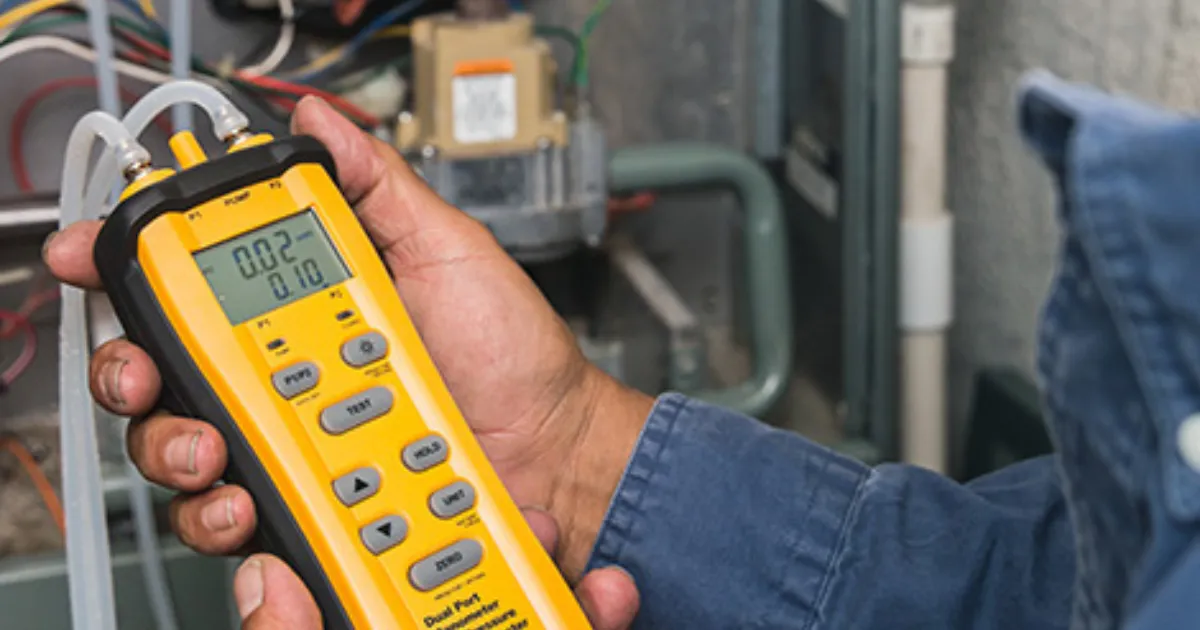
If there's no obvious leak, the expansion vessel's pre-charge is tested — a failed vessel is a common, well-understood cause of repeated pressure loss that a top-up alone will never fix.
04
Fix and confirm
Once the cause is confirmed and you approve the repair, the engineer fixes it, repressurises the system correctly, and checks it holds pressure before finishing.

Fully Gas Safe registered
Every engineer is registered to work on gas boilers — ask to see ID on the day.
Diagnosed before it's quoted
The actual fault is confirmed before you're asked to approve a fix.
Written fault explanation
What was wrong and what was done, useful for landlords and your own records.
Fixed price before we start
Call-out fee confirmed on the phone, never announced once the engineer is on site; any repair is quoted after diagnosis, before work starts.
Questions
Losing Pressure FAQs for London homeowners
I keep topping up the pressure — is that a problem?
If it's a one-off, no. If you're doing it repeatedly — every few weeks — the water is leaving the system somewhere, and it won't stop on its own. It's worth having diagnosed rather than treating the top-up as routine maintenance.
I can't find a visible leak — could it still be losing pressure from a leak?
Yes. Leaks under floors, inside walls, or from a pinhole in a radiator can be invisible day to day while still slowly draining the system. If nothing is visibly wet, the pressure relief valve and expansion vessel are the next most likely causes, both of which an engineer can test.
What is a pressure relief valve and why would it cause this?
It's a safety valve designed to release water if system pressure gets too high — that's exactly what it should do. The problem is when it starts releasing water at normal pressure because it's worn or has debris in the seat, which slowly drains the system without an obvious flood.
What is an expansion vessel and how do I know if it has failed?
It's a sealed component that absorbs the natural expansion of heated water so pressure doesn't spike. When its internal diaphragm or pre-charge fails, the system can no longer absorb that expansion properly, and pressure behaves erratically — often needing repeated top-ups. It's tested with a pressure gauge, not guessed at.
Is it dangerous to run a boiler that keeps losing pressure?
Most boilers are designed to lock out below a minimum safe pressure rather than run unsafely, so the more common outcome is simply losing heating, not a safety event. That said, an unexplained leak should always be found and fixed rather than managed indefinitely with top-ups.
Explore the cluster
Related boiler & heating services
Boiler repair
Diagnosis first, then a confirmed fix
No heating / hot water
Total loss of heat or hot water diagnosed
Radiator not heating
Trapped air, sludge or a stuck valve
Pump repair
Circulation faults diagnosed and fixed
Emergency repair
Genuinely urgent faults, triaged properly
Boiler fault codes
What your fault code actually means
Pricing
How our quote-only pricing works
Areas we cover
All 33 London boroughs
Boiler repair guide
The complete guide to boiler repair in London
Emergency guide
What counts as urgent, and what to do first
Repressurise safely
The homeowner-safe steps, and when to stop
Power flush guide
The signs that mean sludge, not a simple bleed
London-wide
Losing Pressure across all 33 boroughs
Same diagnosis-first approach from Barking to Richmond. Pick your borough for local housing detail.
People also book
Boiler Repair
Boiler repair across London from fully Gas Safe registered engineers.
Learn moreNo Heating / No Hot Water
No heating or no hot water in London? We diagnose the cause — ignition, pressure, valves, thermostat, pump — and explain the fix before any work starts.
Learn moreRadiator Not Heating
One radiator cold, or every radiator cold at the top or bottom? We diagnose trapped air, sludge, a stuck valve or balancing fault and fix the actual cause.
Learn moreKeep reading
Related guides
Fault Diagnosis · 3 min read
Boiler Keeps Losing Pressure? What It Means and What to Do
If your boiler keeps losing pressure, water is leaving the system somewhere. A rare top-up is normal; needing one every few weeks points to a leak, the pressure relief valve or the expansion vessel, and is worth finding, not repeating.
ReadFault Diagnosis · 4 min read
Boiler Expansion Vessel: What It Does and Signs It Has Failed
An expansion vessel is a small tank on or beside your boiler with an air cushion behind a rubber diaphragm. It soaks up the extra water as the heating warms up, so the pressure does not spike. When it fails, the pressure jumps when the heating runs, falls when it cools, and the relief valve pipe outside drips.
ReadFault Diagnosis · 3 min read
What Is a Pressure Relief Valve, and Why Does It Drip?
A pressure relief valve (PRV) is a boiler safety device that releases water if pressure gets too high. A persistent drip often means the valve is worn or fouled and needs replacing by a Gas Safe engineer.
ReadFault Diagnosis · 6 min read
Boiler Losing Pressure When the Heating Is Off? What It Means
Some drop in pressure as the system cools is normal. A pressure that keeps falling while the heating is off means water is leaving the system, and when the drop happens tells you where to look.
ReadBoiler not doing what it should?
Tell us the symptoms and your postcode. We'll diagnose the fault and confirm the price before any work starts — never a guess billed by the hour.
Book a fault diagnosis